Tuesday, October 6, 2026
Hibiscus Tea for Weight Loss: What the Science Actually Says
How this botanical tea supports metabolism, eases bloating and helps with natural weight management.
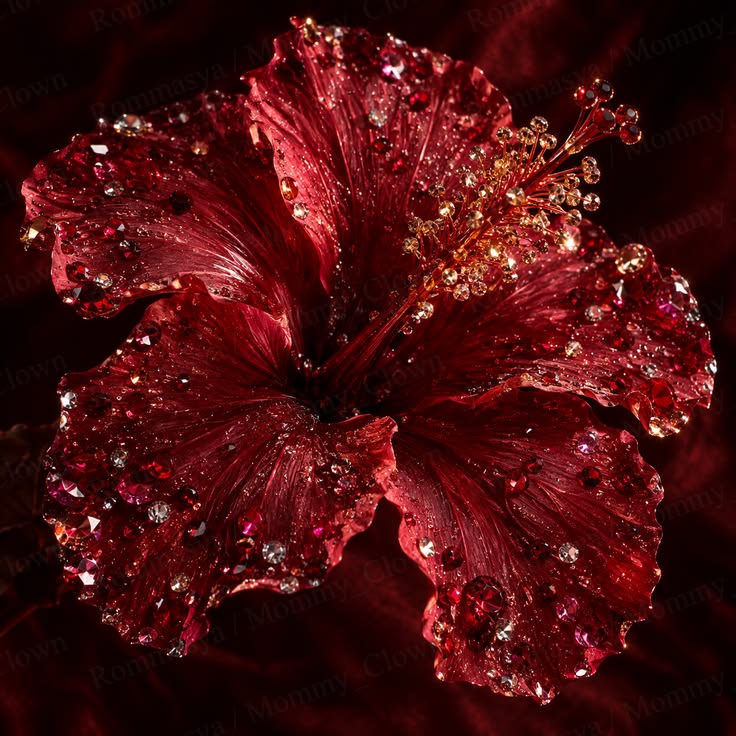
If you have spent any time in wellness circles, you have likely seen hibiscus tea described as everything from a gentle de-bloater to a metabolism secret. With its deep crimson colour and tart, cranberry-like flavour, it certainly looks and tastes like a potion.
So, does hibiscus tea help with weight loss? Hibiscus is not an overnight miracle, but research shows it has genuinely interesting effects on metabolic health, fat metabolism and fluid balance — making it a beautiful addition to a balanced routine.
Here is what the research says about Hibiscus sabdariffa, and how to make it part of your day.
✿ ~ ✿ ~ ✿
1. How Hibiscus Interacts with Fat Metabolism
Hibiscus is rich in polyphenols, organic acids and anthocyanins — the pigments behind its deep red colour. In a randomized controlled trial, overweight participants taking hibiscus-containing polyphenol extracts saw reductions in body weight, abdominal circumference and body fat compared with controls.
Laboratory research also suggests hibiscus polyphenols may influence the pathways involved in lipid production and fat storage. Concentrated extracts are not the same as a steeped cup, but every cup of whole hibiscus brings those same plant compounds into your routine.
2. Hibiscus Tea for Bloating & Water Balance
Hibiscus has a long traditional history as a gentle diuretic, which may influence fluid balance. That is one reason so many people reach for it when they feel puffy after a salty meal, while travelling or during water retention.
Remember that water balance is different from fat loss: feeling lighter is about fluid, not body fat. Still, a warm or iced cup is a lovely, gentle way to feel refreshed.
3. Hibiscus Tea and Blood Sugar
Weight management is closely tied to how your body handles glucose. A systematic review and meta-analysis of randomized clinical trials found hibiscus consumption was associated with lower fasting blood glucose, alongside improvements in several cardiovascular markers.
A larger umbrella review also found beneficial effects on blood pressure and LDL cholesterol, although the certainty of evidence varied by outcome. It is a reminder that metabolism is about far more than the number on a scale.
4. Rich in Antioxidants, Naturally Caffeine-Free
Hibiscus is naturally packed with antioxidant anthocyanins and flavonoids, and pure hibiscus contains no caffeine. Enjoyed without added sugar, it is a tart, flavourful alternative to juices and sweetened iced teas — one of the easiest swaps for a weight-conscious routine.
✿ ~ ✿ ~ ✿
The Perfect Pairing: Hibiscus + Green Tea
Hibiscus becomes even more interesting alongside other botanicals. Green tea brings catechins and a gentle lift, lemongrass and lemon add bright citrus notes, and strawberry softens hibiscus's tart edge with natural sweetness.
- Why it works: Whole hibiscus meets green tea, strawberry, lemon and lemongrass for a bright, refreshing botanical blend with naturally occurring caffeine from green tea.
- The ritual: Sip 20–30 minutes after lunch, or enjoy it iced as a mid-afternoon reset.
- The Kura blend: Our Digestion Tea (Green Tea & Hibiscus Berry) is our bright post-meal ritual for lightness and balance.
How to Drink Hibiscus Tea for Weight Loss
No complicated formula — just a tart, colourful botanical with a fascinating body of research behind it. Welcome to the Klub.